
Full-Service Renovation Contractor vs. Hiring Separate Subs: What Rochester Homeowners Should Know
By Allpro Renovations11 min read
For most Rochester homeowners tackling kitchens, bathrooms, or additions, a full-service contractor is safer. It is also more cost-effective. You get one accountable point of contact. Coordinated scheduling and permit handling are included. Hiring separate subs saves money only if you have construction experience and time to manage multiple vendors yourself.
What Is the Difference Between a Full-Service Contractor and Hiring Separate Subs?
A full-service general contractor manages your entire renovation under one contract. This covers design coordination and permitting. It includes labor scheduling and subcontractor oversight from day one through final inspection. Hiring separate subcontractors flips that model: you become the general contractor, sourcing and managing individual plumbers, electricians, carpenters, and HVAC technicians independently. Rochester NY building code requires permits for structural, electrical, and plumbing work regardless of which model you choose, so the permitting burden exists under both approaches. The critical difference is who carries that burden. Full-service firms like AllPro Renovations carry a single umbrella liability policy covering every worker on your property. When you hire separate subs, you must verify each trade's insurance individually. They cannot begin work until you verify it.
How Does a Full-Service Contractor Work on a Rochester Renovation?
With a full-service contractor, a single contract covers everything from design through final inspection. One point of contact handles all decisions, change orders flow through one documented system, and the GC pulls all required City of Rochester or Monroe County permits and schedules inspections on your behalf. Subcontractors are pre-vetted and work under the GC's license and insurance umbrella, which means you are not responsible for verifying each trade's credentials separately. This structure simplifies permitting and scheduling significantly, which matters because New York State does not operate a single statewide general-contractor licensing system and local permit rules require careful navigation (tailorbrands.com). For multi-trade projects on Rochester's older housing stock, that centralized structure is not a luxury. It is a necessity.
What Does It Mean to Hire Separate Subcontractors in Rochester?
When you hire separate subcontractors, you are legally the general contractor. You assume full scheduling, coordination, and liability responsibilities. You assume full scheduling, coordination, and liability responsibilities for every trade on site. Each trade, including plumbing, electrical, HVAC, and carpentry, must be hired, scheduled, and paid independently. You must pull permits, book inspections, and resolve conflicts when trades overlap or fall behind. This approach requires substantial construction knowledge to sequence work correctly. When you manage subs yourself, you increase the risk of scheduling conflicts, gaps in responsibility, and disputes over defects or delays (barclaydamon.com). Many homeowners underestimate how demanding that role is until they are three weeks into a kitchen remodel with an idle crew waiting on a delayed plumber.
How Do Costs Compare: Full-Service Contractor vs. Separate Subs in Rochester NY?
This is where the conversation gets real. A full-service contractor adds a GC markup to cover overhead, project management, and warranty. Residential construction gross profit margins run 18% to 25% nationally (sianamarketing.com), and net margins for Northeast contractors average just 4% to 6% (sianamarketing.com), meaning much of that markup covers legitimate operating costs, not pure profit. The average kitchen remodel in New York State costs $27,765, at roughly $161 per square foot (origin-2.fixr.com). Cabinets alone average $9,872, appliances add another $6,170, and countertops run $4,936 on average in New York (origin-2.fixr.com). Rochester projects with higher-end finishes or older-home complications routinely exceed those figures. Hiring separate subs eliminates the GC markup on paper, but introduces hidden costs that erode those savings fast.
What Hidden Costs Come With Managing Your Own Subs?
Coordinating 5 to 8 trade contractors takes significant time. Expect 10 to 20 hours per week of your time. That is not a small commitment for someone with a full-time job and a family. Rework costs spike immediately when trades are not sequenced correctly. Consider a Rochester homeowner who hires a drywaller to close up walls before the rough electrical inspection clears. The inspector fails the rough-in, and the drywall gets torn out. That mistake costs thousands of dollars and weeks of delay. Material procurement without contractor trade pricing means paying retail rather than wholesale, which adds up across tile, fixtures, and lumber. Then there is liability: if a sub you hired causes property damage or an on-site injury, your homeowner's insurance may deny the claim. Separately hiring subcontractors generally suits only limited-scope projects where you are genuinely comfortable coordinating permits, inspections, materials, and payments yourself (tailorbrands.com).
Does a Full-Service Contractor Actually Save Money Long-Term?
The honest answer: often yes. Wholesale trade pricing and established vendor relationships offset a meaningful portion of the GC markup. A single warranty covering all work eliminates the finger-pointing between trades that commonly emerges when a leak appears and three subs each claim another trade caused it. On-schedule completion reduces carrying costs including temporary housing, storage, and extended project financing. Nationally, 39% of homeowners exceed their renovation budget due to unexpected costs (rubyhome.com), and a striking 78% of home renovation projects end up over budget overall (realmhome.com). A fixed-bid contract from a full-service contractor limits that exposure. At Allpro Renovations, we provide itemized, transparent proposals so Rochester homeowners see exactly where every dollar goes before a single nail is driven. In our experience, this transparency builds trust and eliminates surprises when homeowners compare bids across multiple contractors.
Coordination, Scheduling, and Risk: Which Model Works Better for Rochester Projects?
Rochester's older housing stock creates challenges. These set it apart from newer markets. Victorian, Colonial, and Craftsman homes throughout the city's 19th Ward, Park Avenue corridor, and East Side neighborhoods routinely reveal knob-and-tube wiring, cast iron plumbing, and insufficient insulation the moment walls open up. Those discoveries demand immediate cross-trade coordination. A full-service GC can redirect an electrician and a plumber the same day. When you are managing separate subs yourself, a single delay by one trade idles all others for days or sometimes weeks. The risk exposure of the self-managed model is real and largely invisible until something goes wrong.
Why Does Trade Sequencing Matter So Much on Rochester Renovations?
Proper sequencing is the backbone of any successful renovation project management plan. The correct sequence for a kitchen remodel runs: demolition, structural work, rough plumbing, rough electrical, HVAC, insulation, drywall, cabinets, finish plumbing, and finish electrical. A single out-of-sequence step can require tearing out completed work, adding days and thousands of dollars. Full-service contractors manage this sequence every single day. At Allpro Renovations, we have found that managing trade sequencing correctly prevents costly rework and keeps Rochester projects moving forward on schedule. City of Rochester inspection checkpoints are built directly into the GC's schedule, so work does not proceed past a gate until the inspector signs off. Homeowners managing subs often discover sequencing requirements the hard way, mid-project, when reversing a mistake is far more expensive than preventing it. The data supports professional management: digitally-managed projects complete 15-20% faster than traditionally managed builds with fewer cost overruns (homeworlddesign.com). Speed matters when you are living through a renovation.
Pros and Cons: Full-Service Contractor vs. Hiring Separate Subs
Every Rochester homeowner's situation is different. A clear-eyed look at the trade-offs for each model helps you match the right approach to your actual project scope, schedule, and risk tolerance. Full-service is not automatically better in every scenario, and separate subs are not automatically cheaper when you account for the full picture. The comparison table below captures the key decision factors side by side.
| Factor | Full-Service Contractor (AllPro Renovations) | Hiring Separate Subs |
|---|---|---|
| Accountability | Single point of contact for entire project | Homeowner manages each trade individually |
| Cost Structure | GC markup of 15%-25% over trade costs; fixed-bid contract available | No GC markup, but retail material pricing and hidden time costs |
| Permitting | GC pulls all City of Rochester / Monroe County permits | Homeowner responsible for all permit applications and inspections |
| Scheduling | GC coordinates all trades and sequences work correctly | Homeowner sequences and coordinates every trade independently |
| Insurance / Liability | Single umbrella policy covers all workers on site | Homeowner must verify each sub's insurance separately |
| Risk of Cost Overrun | Lower: fixed-bid contracts and experienced oversight | Higher: sequencing errors and delays add unexpected costs |
| Best For | Multi-trade projects, older homes, busy homeowners | Small single-trade jobs, experienced owner-builders |
| Timeline Reliability | High: GC manages schedule and resolves delays proactively | Lower: one delayed sub idles all others |
| Warranty Coverage | Single warranty from GC covers all work | Each trade warrants only their own scope; disputes arise |
| Rochester Code Compliance | GC familiar with local codes and inspection requirements | Homeowner must self-educate on all applicable codes |
When Does Hiring Separate Subs Make Sense for Rochester Homeowners?
Small, single-trade projects do not require GC oversight. Hiring a licensed electrician to add a dedicated circuit for a home office, or a licensed plumber to replace a water heater, are straightforward single-trade jobs where paying a GC markup adds no real value. Homeowners with a construction background who can competently manage scheduling, permits, and inspections are also reasonable candidates for the self-managed model. True owner-builder scenarios, where you are personally performing significant labor, are another case where hiring subs makes sense. One caution specific to Rochester and Monroe County: permit offices treat homeowner-as-GC applications with heightened inspection scrutiny, which can slow your project timeline even when the work itself is solid. Separate subcontractors can save money on some jobs generally, but it works best when the project scope is genuinely limited.
When Is a Full-Service Contractor the Right Choice?
A full-service contractor is the right choice for multi-trade projects including kitchen remodels, bathroom renovations, home additions, basement finishing, and whole-home renovations. Older Rochester homes where hidden conditions are likely and fast adaptation is critical need a GC who can make real-time decisions. Homeowners with demanding work schedules simply cannot dedicate 10 to 20 hours per week to managing trades. Choose a full-service contractor if the remodel involves multiple trades, structural changes, kitchen and bathroom work, or tight timelines. Buyers using renovation financing, such as FHA 203k loans, typically require a licensed GC to be on record as part of the loan conditions. This is not optional. The lender requires it.
Verdict: Which Option Is Right for Your Rochester Renovation?
For kitchen remodels, bathroom renovations, home additions, and basement finishing in Rochester, a full-service contractor is the clear recommendation for most homeowners. The GC markup is real, but so are the risks of self-management: delays, rework, liability exposure, and permitting complications that can derail your timeline and budget simultaneously. Approximately 50% of American homeowners are planning renovation projects in 2026 (homeworlddesign.com), and competition for quality subcontractors in Rochester's market is intense. A full-service GC with established trade relationships gets your project on the schedule. Before signing with any contractor, get at least 3 detailed, itemized bids. Do not compare a detailed bid from one contractor against a ballpark estimate from another. Require scope-equivalent proposals from each bidder so you are comparing actual costs, warranties, and timelines rather than optimistic guesses.
How to Evaluate a Full-Service Contractor in Rochester NY
Verifying credentials before signing protects your investment and your home. Start by confirming a current New York State Home Improvement Contractor (HIC) license through the NYS Department of State. Ask for a detailed, itemized written proposal rather than a ballpark estimate. That proposal is the only fair basis for comparison against other bids. Check references from Rochester-area projects completed within the last 24 months and ask those homeowners specifically about schedule adherence and communication. Confirm the contractor pulls all required permits and does not ask you to pull permits on their behalf. If a contractor asks you to pull the permit for their work, that is a red flag signaling they may not carry the required license or insurance. Monroe County building code compliance is non-negotiable on any structural, electrical, or plumbing work, and the permit record protects your title when you eventually sell.
Frequently Asked Questions
Does AllPro Renovations handle permits for Rochester NY kitchen and bathroom remodels?
Yes. AllPro Renovations pulls all required City of Rochester and Monroe County permits and schedules inspections as part of every full-service project. Homeowners never need to navigate the permit office themselves. This is included in the scope, not billed separately, and ensures every inspection checkpoint is met before work advances.
How much more does a full-service contractor cost compared to hiring subs separately in Rochester?
A full-service GC typically adds a 15% to 25% markup over direct trade costs. However, wholesale material pricing, avoided rework, and on-schedule completion often offset a significant portion of that premium. The average New York kitchen remodel runs $27,765, and sequencing errors from self-managed subs can quickly exceed the GC markup in rework costs alone.
Can a Rochester homeowner legally act as their own general contractor?
Yes, New York State permits homeowners to act as their own GC on their primary residence. You must pull all permits, schedule inspections, and accept full legal liability for the project. Rochester and Monroe County permit offices apply heightened scrutiny to homeowner-as-GC applications, which can extend approval and inspection timelines compared to licensed GC submissions.
What licenses and insurance should I verify before hiring any renovation contractor in Rochester NY?
Verify a current New York State Home Improvement Contractor license through the NYS Department of State. Request a certificate of general liability insurance showing at least $1 million in coverage, plus a workers' compensation certificate. Any contractor who cannot produce both documents on request should not be allowed on your property regardless of their quoted price.
How long does a full kitchen remodel take with a full-service contractor vs. managing subs yourself?
A full-service contractor on a Rochester kitchen remodel typically delivers completion in 6 to 12 weeks depending on scope and material lead times. Self-managing subs often extends that timeline significantly because one delayed trade idles all others. Professionally managed projects complete 15-20% faster than traditionally managed builds with fewer cost overruns.
What are the pros and cons of a full-service contractor in Rochester NY?
Pros include single accountability, permit handling, coordinated trade scheduling, warranty coverage across all work, and a fixed-bid contract that limits budget surprises. Cons include a GC markup of 15% to 25% over direct trade costs and slightly less direct control over which individual subcontractors perform each trade. For most multi-trade projects, the pros clearly outweigh the cons.
How do separate subcontractors affect cost on a home remodel?
Hiring separate subs eliminates the GC markup but introduces retail material pricing, your unpaid management time, and the real cost of sequencing errors. Nationally, 39% of homeowners exceed renovation budgets due to unexpected costs. Rework from a single out-of-sequence mistake, such as closing walls before electrical inspection, can cost thousands and erase any markup savings entirely.
What should I check when hiring a contractor in Monroe County?
Verify a current NYS Home Improvement Contractor license, general liability insurance of at least $1 million, and an active workers' compensation certificate. Require an itemized written proposal, not an estimate. Check references from Monroe County projects in the past 24 months. Confirm the contractor pulls all permits. Never sign a contract that asks you to pull permits on the contractor's behalf.
How can I compare bids from contractors vs subcontractors?
Require scope-equivalent written proposals from every bidder before comparing prices. A full-service contractor bid includes management, permitting, insurance, and warranty. A subcontractor bid covers only that trade's labor and materials. Add realistic estimates for your management time, permit fees, and potential rework to any sub-only bids to create a true apples-to-apples comparison.
What permits are needed for a remodel in Rochester NY?
Rochester and Monroe County require permits for any structural, electrical, plumbing, or HVAC work. A kitchen remodel touching any of those systems needs multiple permits and staged inspections. Finishing a basement, adding a room, or modifying load-bearing walls requires structural permits. A full-service GC identifies all required permits at proposal stage and pulls them before work begins.
Sources & References
- General Contractor Profit Margin: 2026 Industry Data & Benchmarks - Siana[industry]
- Avoiding the Renovation Budget Trap: A Data-Backed Guide - RealmHome[industry]
- How to Start a Construction Business in New York - TailorBrands[industry]
- How Much Does Kitchen Remodeling Cost in New York in 2026? - Fixr[industry]
- Common Risk Mitigation and Allocation Tools in Construction Contracts - Barclay Damon[org]
- Home-Remodeling Surge: How 50% of US Homeowners are Reshaping Construction Demand - HomeWorldDesign[industry]
- Home Remodeling Statistics: Trends and ROI (2026) - RubyHome[industry]
About the Author
Allpro Renovations
AllPro Renovations is a Rochester, NY-based full-service home renovation contractor with over 20 years of experience in kitchen remodels, bathroom renovations, home additions, and custom builds.
Related Posts
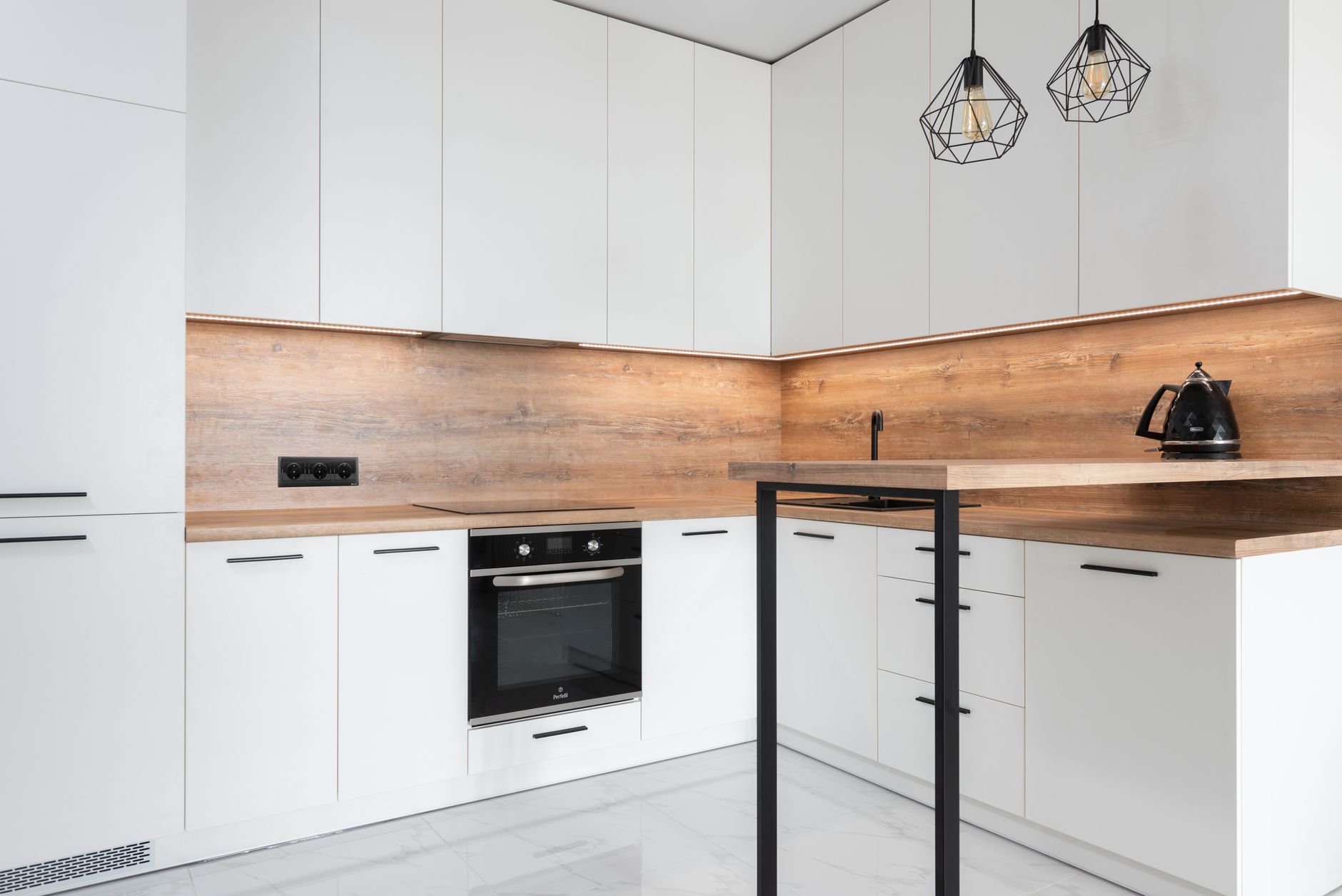
8 Home Renovations That Add the Most Value in Rochester, NY
Not every renovation pays off equally in Rochester's housing market. This guide ranks the 8 projects with the highest return on investment for Upstate New York homeowners, based on national remodeling cost data and local market conditions.
13 min read
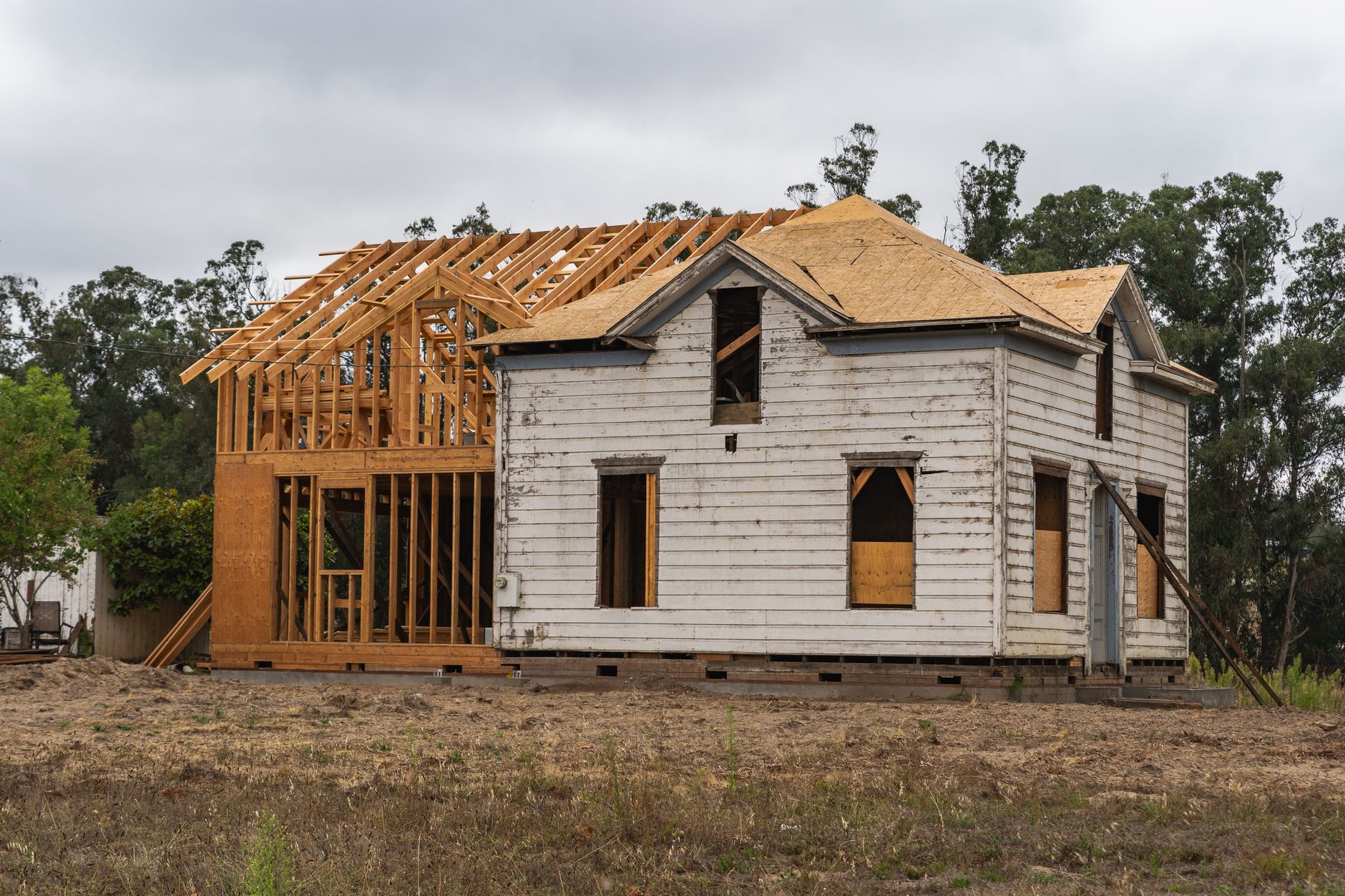
Home Addition Cost Per Square Foot in Rochester, NY: What to Budget
Adding space to your Rochester home is one of the highest-ROI renovation decisions you can make, but costs vary widely depending on addition type, size, and finishes. This guide breaks down realistic per-square-foot costs for Rochester, NY homeowners, from basic room additions to full second-story builds, so you can plan with confidence.
11 min read