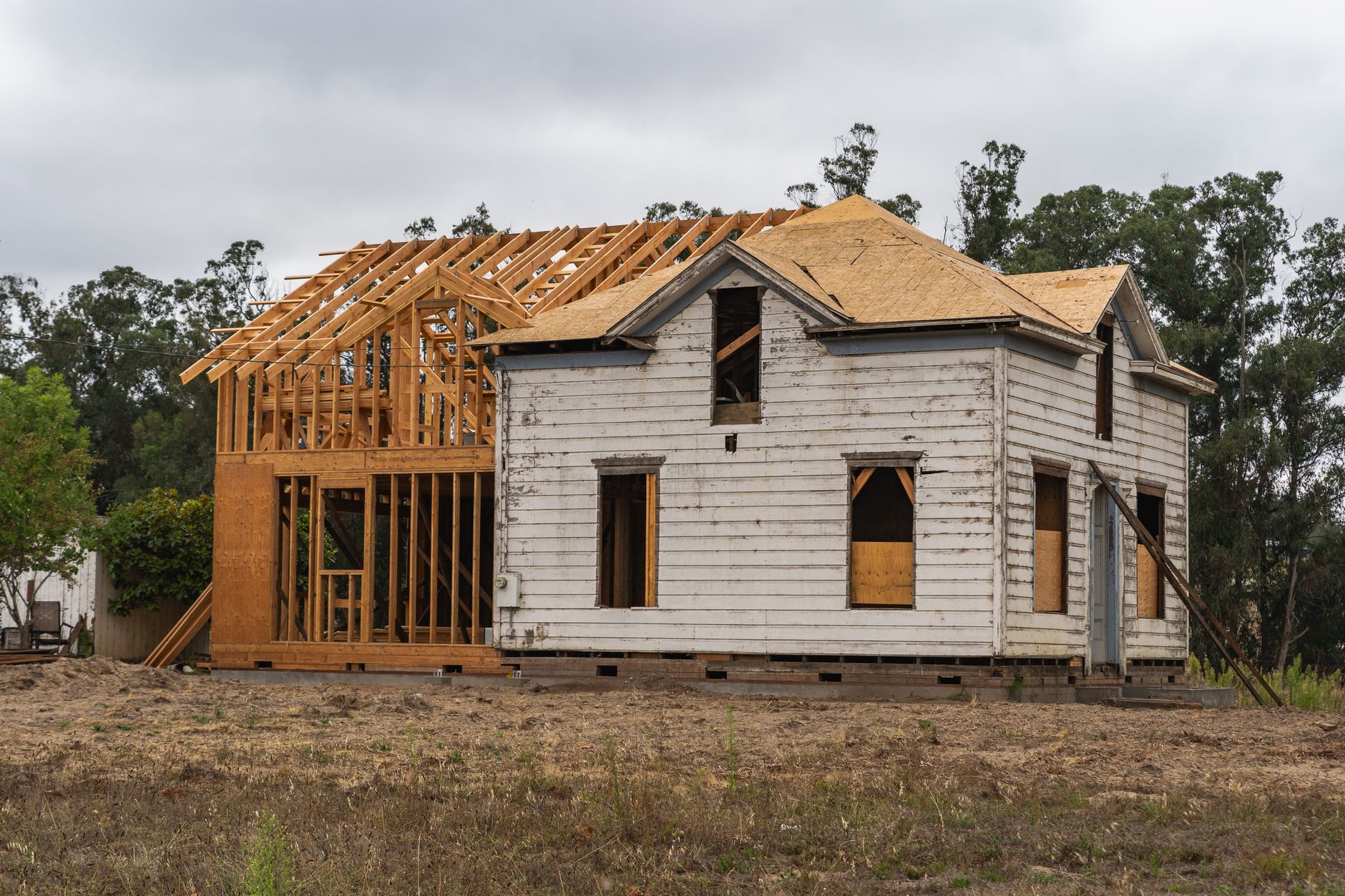
Home Addition Cost Per Square Foot in Rochester, NY: What to Budget
By Allpro Renovations11 min read
Costs vary by addition type, complexity, and finish level. A basic room addition runs $150 to $200 per square foot. A full second-story addition ranges from $300 to $400 per square foot. Most Rochester homeowners budget $60,000 to $150,000 for a mid-size addition.
Published: July 1, 2026 | Last Updated: July 1, 2026
What Is the Average Home Addition Cost Per Square Foot in Rochester, NY?
Rochester, NY sits in a sweet spot for construction costs. Location matters. Labor rates in Upstate New York are lower than New York City but higher than rural Midwest markets. Rochester additions land in a mid-range cost tier nationally. At the national level, standard-quality additions with basic finishes run $150 to $350 per square foot. Rochester's mid-market position means most homeowners land in that range. Building material prices are adding pressure. The price index for residential construction inputs was up 4.2% (nahb.org) year over year as of late 2025. Building material prices rose 3.5% (nahb.org) year over year. This was the largest increase since early 2023. Budget accordingly.
How Do Rochester Costs Compare to National Averages?
Nationally, the average home addition project runs $55,000 to $95,000 total, with per-square-foot rates spanning $80 to $500+ depending on scope and region. Two factors specific to Rochester push costs upward compared to similar-sized inland cities. First, Upstate New York winters require weather protection during open-framing phases. This adds time and materials. Second, Rochester's older housing stock frequently requires foundation reinforcement before any addition can begin. That means the per-square-foot cost for the new space often includes remediation work on the existing structure, a cost that rarely shows up in national calculator averages. Hidden costs add up.
What Factors Drive Per-Square-Foot Costs Up or Down?
The single biggest variable is addition type. A simple bedroom addition with no new plumbing requires far less skilled-trade time than a primary bath suite or a full kitchen bump-out. Foundation choice is the next major lever: a full basement foundation under a new addition costs significantly more than a simple slab pour. This applies when the project requires a new HVAC zone, expanded electrical service, or plumbing rough-in. Finish level matters just as much. Builder-grade flooring, trim, and fixtures sit at one end; custom millwork, heated tile floors, and premium cabinetry sit at the other, and the spread between them can nearly double the interior finish budget. Site conditions specific to Monroe County construction also matter: sloped lots in Brighton or Pittsford, mature oak root systems near older homes, and tight setback requirements in city-limit neighborhoods can all add unexpected excavation or design costs before the first wall goes up.
Cost Breakdown by Home Addition Type in Rochester, NY
Not all additions price the same. This is the most important concept for Rochester homeowners to internalize before requesting bids. The type of space you're adding determines structural complexity, mechanical requirements, and finish costs simultaneously. Scope shapes price. A sunroom and a second-story master suite are both "home additions," but they share almost nothing in terms of labor trades, materials, or permit requirements under Monroe County building codes. The table below provides a working framework for comparing addition types by cost range and key cost drivers.
| Addition Type | Est. Cost Per Sq Ft (Rochester) | Primary Cost Driver | Permit Required |
|---|---|---|---|
| Basic room addition (bedroom, family room) | $150 to $225 | Framing, insulation, drywall | Yes |
| Sunroom / three-season room | $130 to $200 | Glazing, thermal envelope | Yes |
| Garage conversion to living space | $80 to $150 | Insulation, HVAC, finish work | Yes |
| In-law suite / ADU | $150 to $300 | Plumbing rough-in, separate entry | Yes |
| Primary bedroom suite with full bath | $250 to $350 | Plumbing, tile, custom finish | Yes |
| Second-story addition | $300 to $400 | Structural reinforcement, roofline | Yes |
Ground-floor room additions are the most accessible entry point. Nationally, ground-floor additions run $80 to $200 per square foot, while second-story additions range from $200 to $500 per square foot. In Rochester's labor market, second-story projects often reach the upper portion of that range because the existing roof must be removed, structural engineers must certify the existing walls and foundation can carry the new load, and the work takes longer due to weather exposure risk.
Kitchens, Bathrooms, and Second-Story Additions: Why They Cost More
Kitchens, bathrooms, and second-story additions represent the high end of the Rochester addition market for a reason. Each involves multiple licensed trade contractors working in sequence: a plumber must rough in supply and drain lines before framing closes up, an electrician must install circuits before drywall, and an HVAC technician must extend ductwork or install supplemental systems before insulation goes in. When one trade runs behind, every subsequent trade gets delayed. That coordination complexity alone adds cost. Beyond scheduling, finish materials in bathrooms and kitchens are more expensive per square foot than in a bedroom or family room. Structural work for second-story additions adds another distinct cost layer: the existing foundation and first-floor wall system must be evaluated by a structural engineer, and reinforcement is common in Rochester's older housing stock.
Which Addition Type Offers the Best ROI in Rochester?
Return on investment depends on what Rochester buyers want. In a market with tight housing inventory, added conditioned square footage is a strong value signal. Primary bedroom suite additions recoup approximately 50 to 60 percent of project cost at resale nationally, which is meaningful but not a dollar-for-dollar return (nahb.org). In-law suites and ADUs built at $150 to $300 per square foot nationally (selfstorage.com) offer a different value proposition: rental income potential. A well-built ADU in a Rochester neighborhood with strong rental demand can generate monthly income that offsets financing costs. Second-story additions maximize square footage on smaller Rochester lots without consuming yard space, which matters in the city's denser neighborhoods. Garage conversions offer the lowest cost per square foot but reduce covered parking, a real trade-off in a city that averages over 90 inches of snow annually. Sunrooms add appealing seasonal space at lower cost, but may not be counted as heated square footage in a formal appraisal, limiting resale value contribution.
What Does a Rochester Home Addition Project Actually Include?
Homeowners routinely underestimate total project cost because they focus on the visible work: framing, drywall, and finishes. The full cost of a home addition in Rochester includes several phases that must be completed before any visible construction begins. At Allpro Renovations, we provide clients with a fully itemized cost breakdown covering every phase before a contract is signed, so there are no budget surprises when the project is underway.
What Hidden Costs Should Rochester Homeowners Anticipate?
Older homes are full of surprises. For example, consider a 1920s colonial in Rochester's Park Avenue neighborhood where the homeowner wanted to add a master suite. Rochester's housing stock skews toward pre-1970 construction, and any project involving excavation, wall opening, or roof removal may uncover conditions that weren't visible during the initial walkthrough. Asbestos or lead paint abatement in pre-1980 homes costs $1,500 to $10,000 depending on scope. Temporary living accommodations become a real cost if the addition disrupts primary living areas for weeks at a time. Landscaping restoration after excavation and backfill is another line item that frequently gets overlooked in early budgets. That reserve exists for a reason: it protects project momentum when unexpected conditions arise rather than forcing a stop-work pause while the homeowner arranges additional financing.
How Does Choosing a Full-Service Contractor Affect Total Cost?
The choice between a full-service contractor and self-managed subcontractors has real financial consequences. Each delay cascades: a framer who can't close walls because rough plumbing isn't inspected yet means an electrician who can't start, which means insulation gets pushed, which means the project runs into winter weather. Full-service firms like Allpro Renovations handle design, permits, and all trade coordination under a single contract. Our team manages every inspection and subcontractor relationship, which eliminates the scheduling gaps that inflate costs for self-managed projects. Verified licensing, general liability insurance, and workers' compensation coverage under New York State requirements also protect the homeowner from liability exposure if an incident occurs on site. The contractor's overhead is visible in the bid, but the hidden savings in schedule reliability and coordination efficiency frequently offset it.
How to Get an Accurate Budget Before You Start
Getting an accurate budget requires more than calling three contractors and comparing their totals. The most common mistake Rochester homeowners make is accepting ballpark estimates based on square footage alone, without an itemized scope. A genuine apples-to-apples comparison requires each bidder to price the same scope of work: identical foundation type, mechanical scope, insulation specification, and finish allowances. Require written bids that break out design, permits, foundation, framing, mechanical rough-in, insulation, and finish work as separate line items. Ask each contractor specifically about Rochester permit timelines, since city and Monroe County Building Department review periods can add 4 to 8 weeks to a project start date. Clarify change order procedures in writing before signing: how are unforeseen conditions priced, who approves changes, and what is the markup rate? Confirm that the contractor carries general liability insurance and workers' compensation coverage in New York State, and ask for certificates of insurance before any work begins.
What Questions Should You Ask a Rochester Addition Contractor?
Vetting a contractor before signing protects your investment. Ask directly whether they are licensed and insured in New York State, and request documentation. Ask whether they have completed similar addition projects in Rochester or Monroe County recently, and request references from those homeowners. Confirm who pulls the building permits and who manages the inspections. A contractor who expects the homeowner to schedule inspections is a warning sign. Ask what their process is when unexpected structural or mechanical issues arise mid-project: a clear, documented answer indicates experience. Ask whether their bid includes all trades or whether certain scopes are excluded. Exclusions buried in bid language are one of the most common sources of cost surprises after contract signing. A contractor who is reluctant to answer these questions directly is telling you something important.
Financing Options for Home Additions in Rochester, NY
Rochester homeowners have several financing paths available for addition projects, and the right choice depends on existing equity, project scope, and financial goals. A home equity line of credit (HELOC) provides flexible draws over time with a variable rate, which suits phased projects where draw timing is uncertain. Cash-out refinancing replaces the existing mortgage with a larger loan and can lower the monthly rate in favorable interest rate environments, though it may extend the loan term. FHA Title I home improvement loans are available for homeowners with limited equity, making them worth exploring for recent buyers who haven't yet accumulated significant equity. Construction loans provide short-term financing that converts to a permanent mortgage upon project completion. Rochester-area credit unions and community banks often offer competitive HELOC rates for local homeowners, and a local mortgage broker can assess current equity and advise on the most cost-effective structure before you commit to a project scope. The ROI case for financing is real: well-executed additions can increase appraised value by 50 to 80 percent of project cost, meaning a $100,000 addition may add $50,000 to $80,000 in appraised value, partially self-funding the debt service through increased equity (nahb.org).
How Much Equity Do Rochester Homeowners Typically Have to Work With?
Rochester home values have appreciated steadily over the past several years, and homeowners who purchased before 2020 may have substantial untapped equity available to fund addition projects. Monroe County's median home price growth has been consistent, reflecting demand in a market with limited new construction inventory. That equity position gives many Rochester owners a meaningful financing advantage: they can access capital at home equity rates rather than personal loan or construction loan rates, which are typically higher. A local lender or mortgage broker can provide a current equity assessment and a realistic borrowing ceiling before you commit to a project scope, which is a useful step before you even begin soliciting contractor bids. Knowing your financing ceiling allows you to set a realistic project budget rather than designing an addition and then discovering the financing doesn't support it.
Frequently Asked Questions
How much does it cost to add a 20x20 room addition in Rochester, NY?
A 20x20 room addition (400 square feet) in Rochester, NY typically costs $60,000 to $90,000 at mid-range finish levels, based on local per-square-foot rates of $150 to $225 for a basic room addition. Adding plumbing, a full bath, or premium finishes pushes costs toward $100,000 to $140,000 for the same footprint.
Do I need a permit for a home addition in Rochester, NY?
Yes. All structural home additions in Rochester require a building permit from the City of Rochester or Monroe County Building Department, depending on location. Permit fees typically run $500 to $2,500 based on project valuation. Your contractor should pull all permits and manage required inspections. Never begin structural work without an approved permit in hand.
How long does a home addition take to complete in Rochester?
A standard room addition in Rochester typically takes 3 to 6 months from permit approval to final inspection. Rochester building permit review adds 4 to 8 weeks before construction starts. Second-story additions or projects with complex mechanical scope run 5 to 9 months. Upstate New York winters can extend timelines if framing or roofing phases fall in peak winter months.
Is a home addition worth it compared to buying a larger house in Rochester?
For most Rochester homeowners, adding on is financially competitive with buying larger. Moving costs, agent commissions, transfer taxes, and a higher mortgage rate on a new purchase add up quickly. A well-executed addition can increase appraised value by 50 to 80 percent of project cost while keeping you in an established neighborhood, school district, and mortgage rate.
What is the cheapest type of home addition I can build in Rochester, NY?
Garage conversions are the lowest-cost option, typically running $80 to $150 per square foot because the structure already exists. Simple ground-floor room additions with no new plumbing are the next most affordable, starting around $150 per square foot. Sunrooms and three-season rooms can also come in at the lower end of the range when no mechanical rough-in is required.
Does a home addition increase property taxes in Monroe County?
Yes. Adding conditioned square footage increases your home's assessed value, which raises your Monroe County property tax bill. The exact increase depends on the addition's assessed value and the local tax rate for your municipality. Homeowners should request a tax impact estimate from their local assessor's office before finalizing a project budget to account for ongoing carrying cost.
How do I find a licensed home addition contractor in Rochester, NY?
Verify New York State contractor licensing through the NYS Department of State. Request proof of general liability insurance and workers' compensation coverage before signing any contract. Ask for references from recently completed addition projects in Rochester or Monroe County specifically. A contractor with local permit history and inspector relationships will navigate the approval process faster than an out-of-area firm.
What is the average cost per sq ft for a room addition in Rochester?
A standard room addition in Rochester, NY averages $150 to $225 per square foot for a basic bedroom or family room with no new plumbing. Mid-range finishes with modest mechanical scope land around $165 to $310 per square foot. Adding a full bathroom, custom trim, or hardwood flooring pushes costs toward the upper end of that range or above it.
How much does a garage bonus room addition cost in Rochester NY?
Converting a garage to a finished bonus room in Rochester typically costs $80 to $150 per square foot, making it one of the most cost-effective ways to add livable space. Key cost drivers include insulation upgrading, HVAC extension, and finish work. A 400-square-foot two-car garage conversion runs roughly $32,000 to $60,000, depending on finish level and mechanical scope.
What factors raise home addition costs in Rochester?
The primary cost drivers in Rochester include addition type (bathroom and kitchen additions cost more than bedrooms), foundation type, mechanical complexity (new HVAC zones or plumbing rough-in add $15 to $40 per square foot), finish level, and site conditions. Older homes often require foundation reinforcement, asbestos abatement, or electrical panel upgrades, each of which adds to the base cost.
How much do architectural blueprints cost for an addition?
Architectural drawings and structural engineering plans for a Rochester home addition typically cost $2,000 to $8,000 depending on project complexity. Larger or structurally complex projects such as second-story additions require full structural engineering certification, which adds cost. Some full-service contractors include design-build services in their overall contract, which can streamline the process and reduce separate design fees.
Are permits included in Rochester home addition cost estimates?
It depends on the contractor. Some full-service contractors include permit fees in their total bid; others list them as a pass-through cost billed at actual expense. Always ask explicitly whether your bid includes permit fees, inspection fees, and engineering review costs. In Rochester, permit fees run $500 to $2,500. Confirm in writing who is responsible for pulling permits and managing all required inspections.
Sources & References
About the Author
Allpro Renovations
AllPro Renovations is a Rochester, NY-based full-service home renovation contractor with over 20 years of experience in kitchen remodels, bathroom renovations, home additions, and custom builds.
Related Posts
8 Home Renovations That Add the Most Value in Rochester, NY
Not every renovation pays off equally in Rochester's housing market. This guide ranks the 8 projects with the highest return on investment for Upstate New York homeowners, based on national remodeling cost data and local market conditions.
13 min read
Full-Service Renovation Contractor vs. Hiring Separate Subs: What Rochester Homeowners Should Know
Choosing between a full-service renovation contractor and hiring separate subcontractors is one of the biggest decisions Rochester homeowners face before a remodel. This guide breaks down costs, coordination, risk, and when each approach makes sense so you can protect your budget and timeline.
11 min read